
Tips for Summer Cleaning.
July 26 2023 / by









17 March 2026
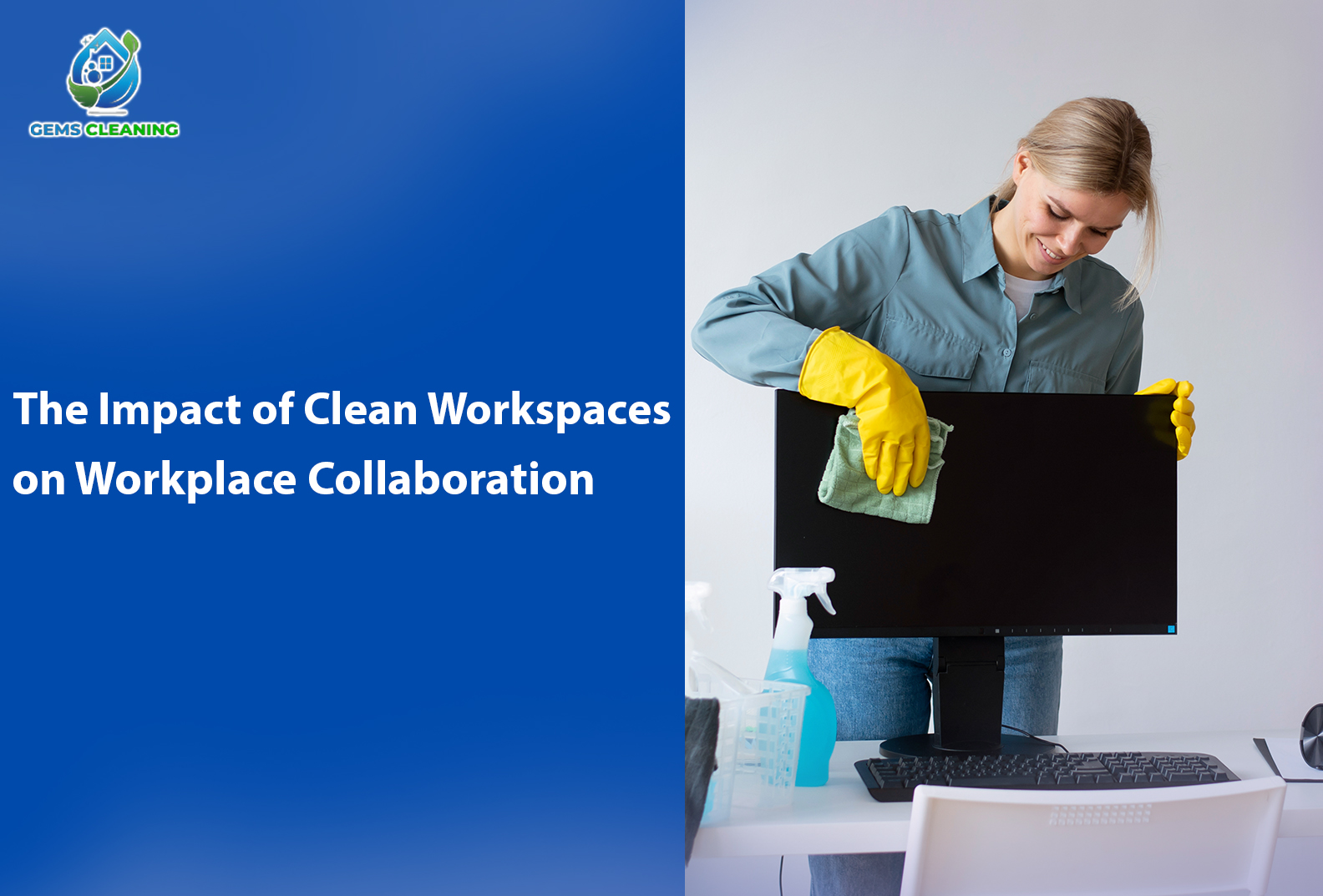
Modern workplaces in Australia are increasingly designed to encourage collaboration. Open-plan offices, shared meeting areas, and collaborative work zones have become common in many industries, from technology startups to corporate offices. While office design and workplace culture play important roles in teamwork, one often underestimated factor is cleanliness. A clean and well-maintained workspace can significantly influence how employees interact, communicate, and collaborate.
Maintaining high standards of cleanliness is not just about appearance. It directly affects employee comfort, focus, and willingness to engage with colleagues in shared spaces.
Collaborative work often requires employees to gather in meeting rooms, shared desks, or breakout areas. If these spaces are cluttered, dusty, or poorly maintained, employees may feel uncomfortable spending time there.
In Australian offices where flexible workspaces and shared desks are common, cleanliness helps ensure that every employee feels confident using communal areas. A tidy meeting room, clean tables, and organised equipment create a welcoming environment that encourages open discussion and teamwork.
When employees feel comfortable in their surroundings, they are more likely to participate actively in conversations, brainstorming sessions, and team projects.
Clutter and untidy workspaces can easily become distractions. Studies in workplace psychology have shown that visual clutter can reduce concentration and increase stress levels. When employees struggle to focus, collaboration can become less effective because discussions may lack clarity and productivity.
Regular cleaning and proper workspace organisation help minimise distractions. In Australian workplaces, professional cleaning teams often ensure that desks, meeting areas, and shared equipment remain organised and free from dust or clutter. This allows employees to focus on ideas, communication, and teamwork rather than dealing with messy environments.
Many organisations invest heavily in collaborative spaces such as brainstorming rooms, lounges, and innovation hubs. However, if these areas are not properly maintained, employees may avoid using them.
Clean and well-organised collaboration zones encourage employees to step away from their desks and interact with colleagues. In Australia’s evolving hybrid work culture, these spaces are particularly valuable because they support meaningful in-person collaboration when employees come into the office.
Regular cleaning ensures that whiteboards, presentation equipment, shared tables, and seating areas are ready for immediate use, making it easier for teams to gather and exchange ideas.
Workplace hygiene plays a key role in protecting employee health. Shared spaces such as meeting rooms, kitchen areas, and lounge zones can become hotspots for germs if they are not cleaned regularly.
Maintaining clean surfaces, sanitised equipment, and hygienic common areas helps reduce the spread of illness. In Australia, many workplaces have strengthened their cleaning practices to improve health and safety standards, especially in environments where employees frequently interact.
When employees feel confident that their workplace is hygienic and well maintained, they are more comfortable engaging with colleagues and participating in group activities.
Cleanliness can also reflect the overall culture and professionalism of an organisation. A well-maintained workspace sends a clear message that the company values its employees and takes pride in its environment.
In Australian workplaces where collaboration is encouraged, maintaining clean communal spaces demonstrates respect for shared resources. Employees are more likely to take care of their surroundings when they see that the organisation prioritises cleanliness.
This sense of shared responsibility can strengthen teamwork and foster a positive workplace culture where employees support one another and work together effectively.
With hybrid work becoming more common across Australia, offices are increasingly used for collaboration rather than individual tasks. Employees often come into the office specifically for meetings, brainstorming sessions, or team discussions.
For these interactions to be productive, collaborative areas must be clean, organised, and ready for use at any time. Flexible cleaning schedules and regular maintenance ensure that shared spaces remain welcoming for teams returning to the office.
Clean workspaces play a significant role in supporting effective workplace collaboration. By creating comfortable environments, improving focus, maintaining hygiene, and encouraging the use of shared spaces, cleanliness contributes to stronger teamwork and communication.
For Australian organisations aiming to foster collaboration in modern workplaces, maintaining high cleaning standards is an essential part of workplace management. A clean office not only enhances employee wellbeing but also helps create the ideal environment for creativity, cooperation, and productive teamwork.