
Tips for Summer Cleaning.
July 26 2023 / by








17 March 2026
Co-working spaces have become a major part of Australia’s modern work culture. From Sydney and Melbourne to Brisbane and Perth, shared offices are increasingly popular among startups, freelancers, remote workers, and small businesses. These flexible workspaces often experience high daily foot traffic and frequent member turnover, making cleanliness and hygiene a top operational priority.
Maintaining a clean and organised environment in a co-working space is not only important for health and safety but also plays a key role in creating a professional and welcoming atmosphere for members and visitors.
Unlike traditional offices where the same employees use the space daily, co-working environments can see dozens or even hundreds of people using shared facilities throughout the week. Hot desks, meeting rooms, shared kitchens, and communal lounges are used by different individuals every day.
This high turnover increases the risk of germs spreading across frequently touched surfaces such as desks, keyboards, door handles, printers, and kitchen appliances. In Australia, where workplace hygiene standards have become more prominent since the pandemic years, maintaining consistent cleaning practices is essential to meet member expectations and workplace health guidelines.
One of the most effective cleaning strategies for co-working spaces is focusing on high-touch surfaces. Desks, chair arms, lift buttons, reception counters, and shared equipment are touched frequently by multiple users throughout the day.
Professional cleaning teams in Australian co-working facilities often prioritise these areas for regular disinfecting using approved cleaning products. Meeting rooms and shared workstations should ideally be wiped down between bookings to ensure a hygienic workspace for the next user.
Providing disinfectant wipes or hand sanitiser stations around the office also encourages members to clean surfaces before and after use.
Because co-working spaces operate for extended hours and may even run 24/7, traditional once-a-day cleaning routines are often not enough. Many Australian co-working operators adopt flexible cleaning schedules that include daytime cleaning staff and evening deep-cleaning services.
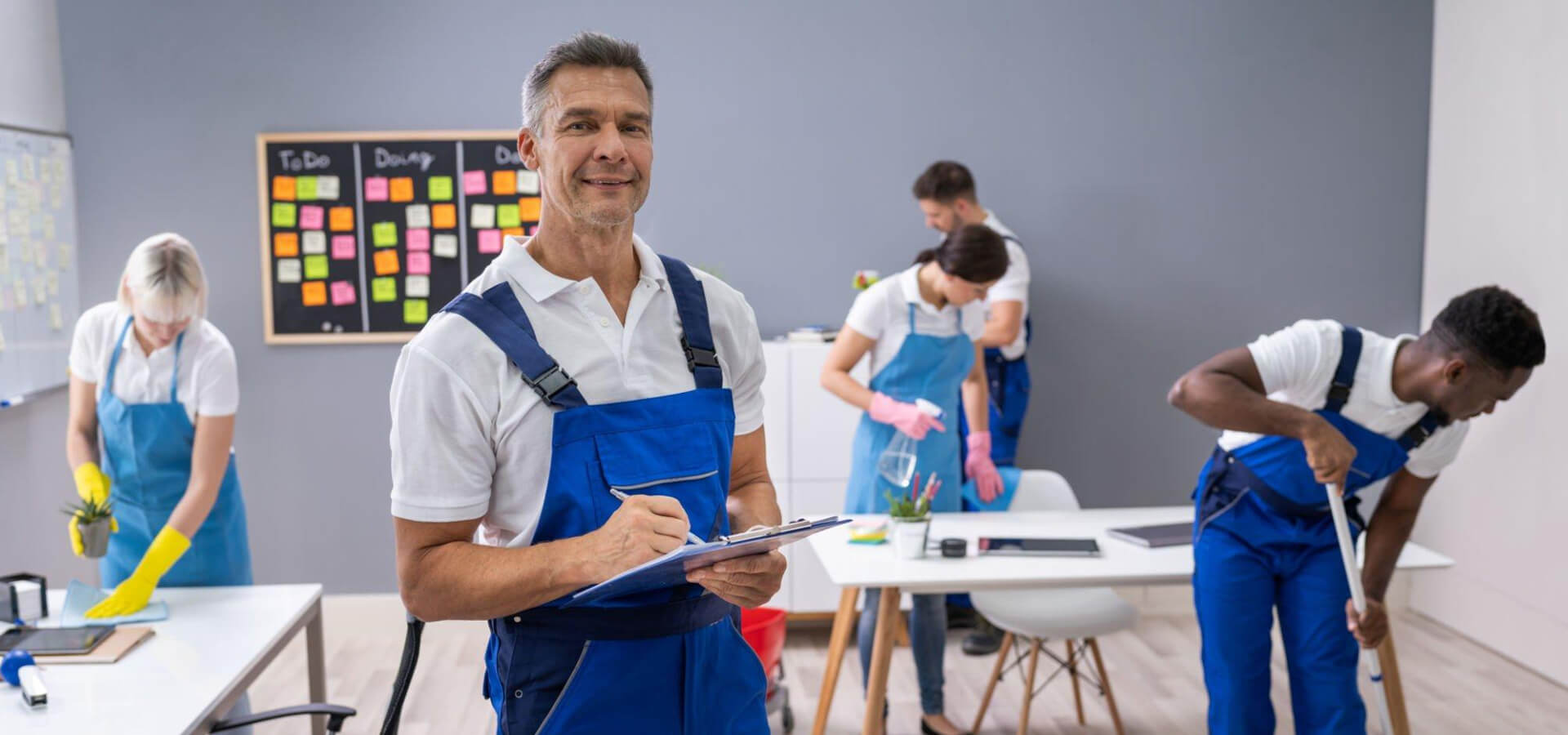
Day cleaners can manage ongoing tasks such as emptying bins, sanitising bathrooms, cleaning kitchen areas, and maintaining overall tidiness. After-hours cleaning teams then perform deeper cleaning tasks such as vacuuming carpets, mopping floors, and sanitising large shared areas.
This layered approach helps maintain cleanliness throughout the day without disrupting members’ productivity.
Shared amenities are a major attraction of co-working spaces, but they can also become hygiene hotspots if not managed properly. Kitchens, coffee stations, and communal dining areas require consistent monitoring to prevent clutter and spills from accumulating.
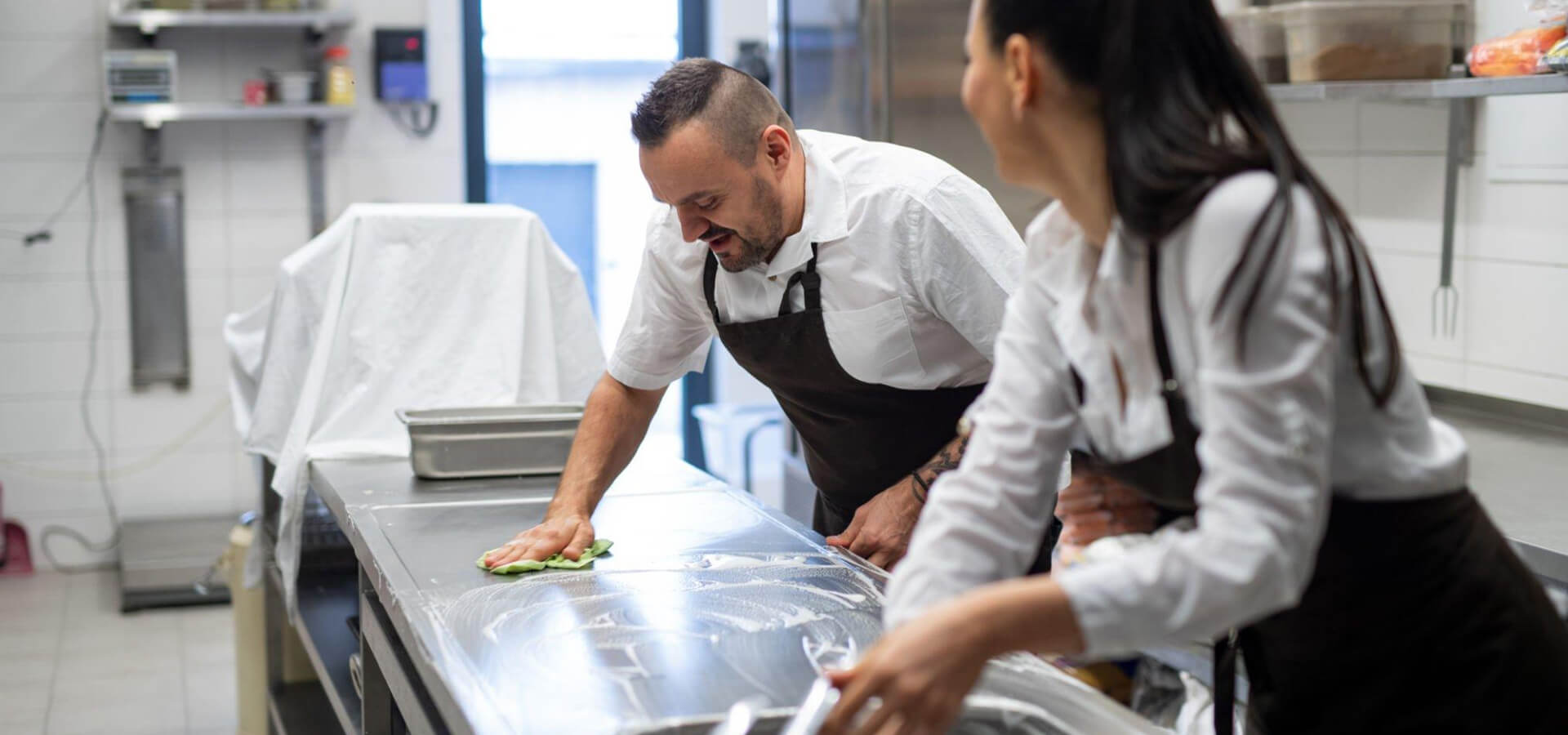
Clear signage encouraging members to clean up after themselves can help maintain order. However, relying solely on user responsibility is rarely sufficient in high-turnover environments. Professional cleaning staff should regularly sanitise countertops, sinks, microwaves, refrigerators, and coffee machines.
Australian workplace cleaning guidelines also emphasise proper waste management and regular sanitation of restrooms to maintain health standards in shared environments.
Many modern co-working spaces in Australia are adopting technology to improve cleaning efficiency. Automated cleaning equipment, high-efficiency vacuum systems, and electrostatic disinfecting tools help cleaning teams manage large spaces quickly and effectively.
Air quality management is also becoming an important part of office hygiene. Proper ventilation systems and air purification units can help reduce dust, allergens, and airborne contaminants, contributing to a healthier indoor environment.
While professional cleaning services are essential, maintaining a clean co-working environment also depends on member behaviour. Operators can encourage responsible usage by promoting workplace hygiene through onboarding guidelines, reminder signage, and shared workspace policies.
Providing convenient cleaning supplies and well-placed waste bins also makes it easier for members to maintain a tidy workspace.
Co-working spaces thrive on collaboration, flexibility, and community, but these benefits also come with unique cleaning challenges. High member turnover and shared facilities require thoughtful cleaning strategies that go beyond traditional office routines.
For Australian co-working operators, combining professional cleaning services, flexible schedules, targeted sanitation, and member cooperation can create a workspace that is both hygienic and welcoming. A clean environment not only protects the health of members but also enhances productivity, comfort, and the overall reputation of the shared workspace.